
'/%3E%3C/svg%3E)
'/%3E%3Cpath%20fill='%23b2b2b2'%20d='M241%20382q0%2016%2017%2026%2017%2011%2042%2011t42-11q16-11%2017-26V269H241'/%3E%3Cpath%20fill='%239f7e00'%20d='M241%20379q0%2014%208%2023%209%209%2021%209%2014%200%2021-9%209-9%209-23V269h-59'/%3E%3Cpath%20d='M241%20339v-70h59v110q0%2014-9%2023l-6%205v-68h-15v72q-8%200-14-4v-68zm59%2040c0%2022%2015%2032%2029%2032%2021%200%2030-18%2030-32v-40h-59'/%3E%3Cpath%20fill='%239f7e00'%20d='M266%20277v5h2v12h-3v-5h2v-5h-9v5h2v5h-4v9h3v18h-5v10h34v-10h-5v-18h3v-9h-4v-5h2v-5h-9v5h2v5h-3v-12h2v-5zm42%20101q0%2010%206%2017%206%206%2015%207%2010-1%2016-7%206-7%206-17v-29h-43'/%3E%3Ccircle%20fill='%230044ad'%20cx='329.5'%20cy='372'%20r='6'/%3E%3Cellipse%20fill='%230044ad'%20cx='300'%20cy='340'%20rx='16'%20ry='21'/%3E%3C/svg%3E)

Implementation of an Accelerated Rehabilitation Program for Hip and Knee Replacement Surgery
The adoption of this optimized recovery protocol (Fast-Track) marks a paradigm shift in coordinated patient care. Designed to minimize surgical stress, the program combines minimally invasive surgical techniques, advanced postoperative pain management, and early mobilization in the first few hours following surgery. The result is a shorter hospital stay, a significant reduction in complications, and a much faster and safer return to daily independence.
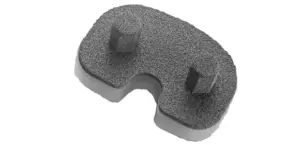
Innovation in the Use of Tantalum
The use of trabecular tantalum represents one of the most revolutionary advances in orthopedic implant engineering. This highly porous and biocompatible metal mimics the physical structure of human cancellous bone almost identically, promoting exceptional biological fixation (osseointegration) from the very first weeks. By allowing the bone itself to grow and interlock through its matrix, tantalum offers superior primary stability, optimal long-term structural strength, and is an excellent choice, especially in cases of poor bone quality or complex revision surgeries.
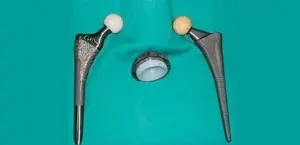
New biomaterials for complex hip revision surgery
Hip revision surgery presents the challenge of reconstructing the joint in cases of bone loss or anatomical abnormalities. In these complex cases, the use of state-of-the-art biomaterials—such as high-friction porous titanium alloys, bioactive ceramics, and rapidly integrating synthetic bone substitutes—is crucial. These advances make it possible to fill significant bone defects, provide immediate mechanical fixation, and restore the hip’s center of rotation, thereby restoring stability to the joint and ensuring optimal long-term biomechanical performance.
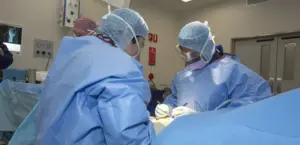
First Minimally Invasive Hip Surgery
The introduction of this approach marked a true revolution in joint replacement, as it allows access to the hip while preserving the surrounding muscles and soft tissues as much as possible. By avoiding the cutting of stabilizing muscles, this technique drastically reduces bleeding and postoperative pain, accelerating the healing process and allowing the patient to take their first steps independently almost immediately.

First bilateral hip replacement
A pioneer in performing bilateral hip replacement in a single surgical procedure, this milestone demonstrated the feasibility of comprehensively treating severe bilateral osteoarthritis. Thanks to careful patient selection, an optimized anesthesia protocol, and a reduced surgical time, this technique made it possible to perform two surgeries in a single session, providing the patient with symmetrical recovery and cutting the total rehabilitation time in half.

A Pioneer in the Use of New Biomaterials
Our constant pursuit of surgical excellence has led us to become pioneers in the adoption and clinical integration of state-of-the-art biomaterials. The early adoption of disruptive technologies—such as high-friction porous surfaces, state-of-the-art advanced ceramics, and ultra-crosslinked polymers—has transformed the prognosis for complex procedures. Being pioneers in the application of these advances has made a crucial difference in our patients’ outcomes, maximizing biocompatibility, minimizing friction-related wear, and achieving permanent bone integration that ensures the implant’s maximum durability.
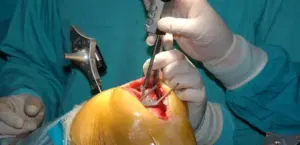
First cementless knee replacement
A major milestone in the evolution toward biological and conservative surgery. Unlike the traditional method, which relies on bone cement to secure the implant, this technique uses prostheses with high-tech porous surfaces that stimulate the bone to grow and integrate directly with the metal (osseointegration). The pioneering adoption of this technology made it possible to achieve a natural, biological, and permanent fixation, reducing the risk of loosening over the long term and preserving better bone tissue quality for the future.
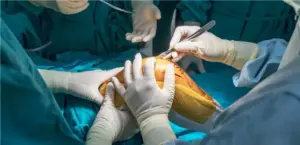
First bilateral knee replacement
A groundbreaking achievement in the simultaneous treatment of advanced osteoarthritis in both lower limbs during a single surgical procedure. Performing this procedure required the utmost precision in managing operating room time, as well as highly specialized anesthetic and hemodynamic management. As a result, a second surgery was avoided, allowing the patient to begin coordinated and balanced rehabilitation of both legs starting on the first postoperative day.
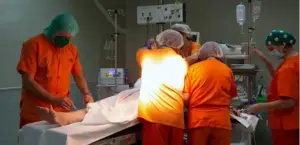
First surface prosthesis
The adoption of resurfacing — or surface replacement —represented a major advance in preserving the patient’s bone, and is particularly suitable for young people with active lifestyles. Unlike conventional prostheses, this technique covers the damaged joint while leaving the femoral head nearly intact, offering a more natural joint sensation, maximum stability, and a greater range of motion for a return to physical activity.

A pioneer in ISO 9001 quality certification
The pursuit of excellence is reflected not only in the operating room but also in the documentation of every stage of the care process. Being pioneers in the implementation of the ISO 9001 international quality standard in the field of orthopedic surgery meant establishing the strictest standards for traceability, patient safety, and continuous improvement. This milestone ensured that, from the initial medical consultation through to long-term postoperative follow-up, every procedure adhered to rigorous audits and workflows designed to maximize efficiency and clinical safety.
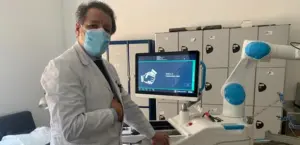
First Robotic Knee Surgery
The integration of robotic assistance into knee replacement surgery represented a qualitative leap toward maximum customization and surgical hyperprecision. Thanks to real-time 3D planning and millimeter-precise guidance of the robotic arm, this technique allows the placement of the prosthesis to be tailored to each patient’s exact anatomy with virtually no margin of error. The result is perfect ligament balance, minimal trauma to soft tissues, and a prosthesis designed to offer maximum durability and completely natural movement.
April 2000

Implementation of an Accelerated Rehabilitation Program for Hip and Knee Replacement Surgery
The adoption of this optimized recovery protocol (Fast-Track) marks a paradigm shift in coordinated patient care. Designed to minimize surgical stress, the program combines minimally invasive surgical techniques, advanced postoperative pain management, and early mobilization in the first few hours following surgery. The result is a shorter hospital stay, a significant reduction in complications, and a much faster and safer return to daily independence.
May 2000
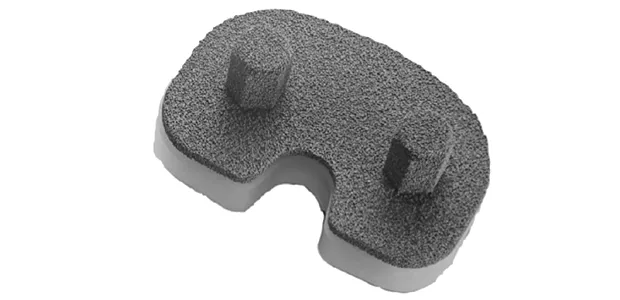
Innovation in the Use of Tantalum
The use of trabecular tantalum represents one of the most revolutionary advances in orthopedic implant engineering. This highly porous and biocompatible metal mimics the physical structure of human cancellous bone almost identically, promoting exceptional biological fixation (osseointegration) from the very first weeks. By allowing the bone itself to grow and interlock through its matrix, tantalum offers superior primary stability, optimal long-term structural strength, and is an excellent choice, especially in cases of poor bone quality or complex revision surgeries.
2022
March 2001
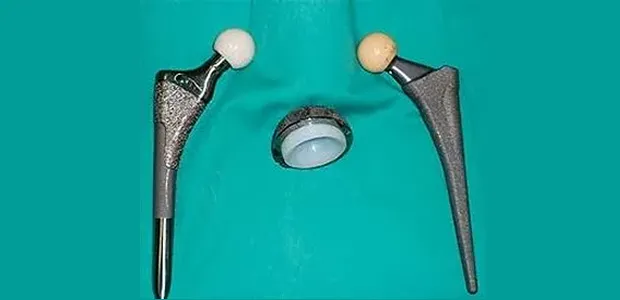
New biomaterials for complex hip revision surgery
Hip revision surgery presents the challenge of reconstructing the joint in cases of bone loss or anatomical abnormalities. In these complex cases, the use of state-of-the-art biomaterials—such as high-friction porous titanium alloys, bioactive ceramics, and rapidly integrating synthetic bone substitutes—is crucial. These advances make it possible to fill significant bone defects, provide immediate mechanical fixation, and restore the hip’s center of rotation, thereby restoring stability to the joint and ensuring optimal long-term biomechanical performance.
May 2002
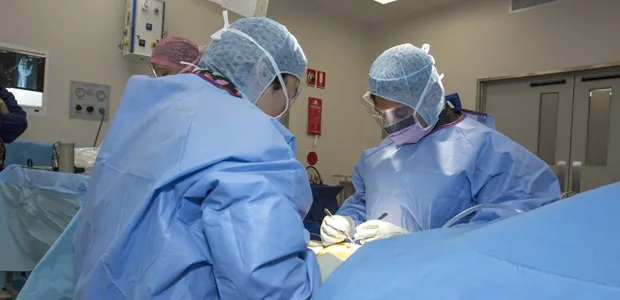
First Minimally Invasive Hip Surgery
The introduction of this approach marked a true revolution in joint replacement, as it allows access to the hip while preserving the surrounding muscles and soft tissues as much as possible. By avoiding the cutting of stabilizing muscles, this technique drastically reduces bleeding and postoperative pain, accelerating the healing process and allowing the patient to take their first steps independently almost immediately.
May 2004
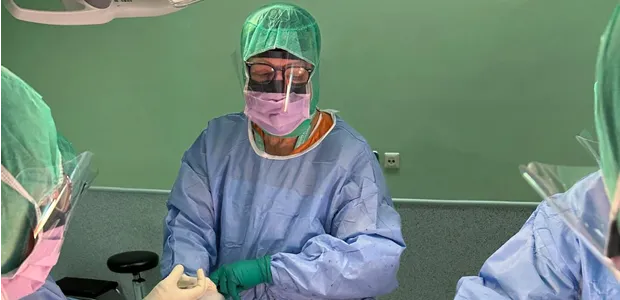
First bilateral hip replacement
A pioneer in performing bilateral hip replacement in a single surgical procedure, this milestone demonstrated the feasibility of comprehensively addressing severe bilateral osteoarthritis. Thanks to careful patient selection, an optimized anesthesia protocol, and a reduced surgical time, this technique made it possible to perform two surgeries in a single session, providing the patient with symmetrical recovery and cutting the total rehabilitation time in half.
May 2004

A Pioneer in the Use of New Biomaterials
Our constant pursuit of surgical excellence has led us to become pioneers in the adoption and clinical integration of state-of-the-art biomaterials. The early adoption of disruptive technologies—such as high-friction porous surfaces, state-of-the-art advanced ceramics, and ultra-crosslinked polymers—has transformed the prognosis for complex procedures. Being pioneers in the application of these advances has made a crucial difference in our patients’ outcomes, maximizing biocompatibility, minimizing friction-related wear, and achieving permanent bone integration that ensures the implant’s maximum durability.
June 2004
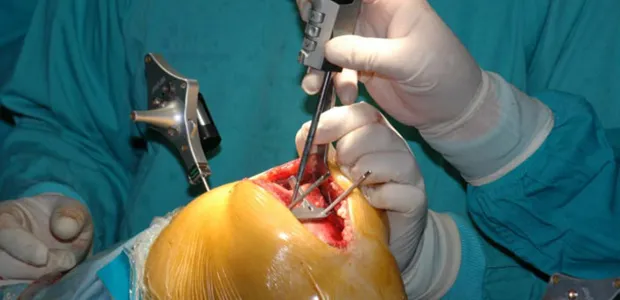
First cementless knee replacement
A major milestone in the evolution toward biological and conservative surgery. Unlike the traditional method, which relies on bone cement to secure the implant, this technique uses prostheses with high-tech porous surfaces that stimulate the bone to grow and integrate directly with the metal (osseointegration). The pioneering adoption of this technology made it possible to achieve a natural, biological, and permanent fixation, reducing the risk of loosening over the long term and preserving better bone tissue quality for the future.
May 2005
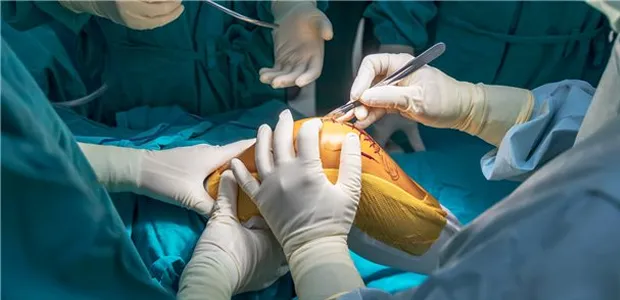
First bilateral knee replacement
A groundbreaking achievement in the simultaneous treatment of advanced osteoarthritis in both lower limbs during a single surgical procedure. Performing this procedure required the utmost precision in managing operating room time, as well as highly specialized anesthetic and hemodynamic management. As a result, a second surgery was avoided, allowing the patient to begin coordinated and balanced rehabilitation of both legs starting on the first postoperative day.
June 2005
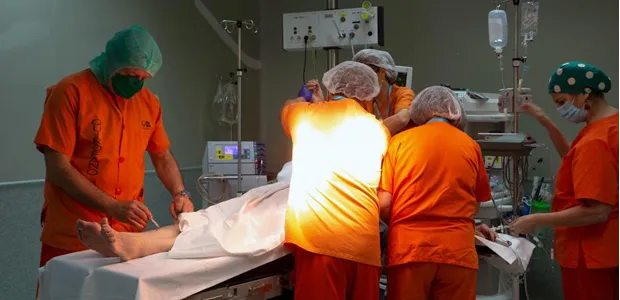
First surface prosthesis
The adoption of resurfacing—or surface replacement—represented a major advance in preserving the patient’s bone, and is particularly suitable for young people with active lifestyles. Unlike conventional prostheses, this technique covers the damaged joint while leaving the femoral head nearly intact, offering a more natural joint sensation, maximum stability, and a greater range of motion for a return to physical activity.
April 2011
A pioneer in ISO 9001 quality certification
The pursuit of excellence is reflected not only in the operating room but also in the documentation of every stage of the care process. Being pioneers in the implementation of the ISO 9001 international quality standard in the field of orthopedic surgery meant establishing the strictest standards for traceability, patient safety, and continuous improvement. This milestone ensured that, from the initial medical consultation through to long-term postoperative follow-up, every procedure adhered to rigorous audits and workflows designed to maximize efficiency and clinical safety.
December 2020
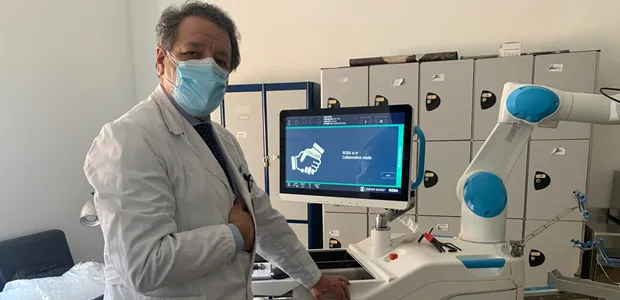
First Robotic Knee Surgery
The integration of robotic assistance into knee replacement surgery represented a qualitative leap toward maximum customization and surgical hyperprecision. Thanks to real-time 3D planning and millimeter-precise guidance of the robotic arm, this technique allows the placement of the prosthesis to be tailored to each patient’s exact anatomy with virtually no margin of error. The result is perfect ligament balance, minimal trauma to soft tissues, and a prosthesis designed to offer maximum durability and completely natural movement.